Beeswax: what it is and what it's good for
Beeswax is the other thing a hive makes. It's what the honeycomb is built from, and once it's cleaned up it's one of the most useful natural materials there is — candles, salves, wraps, wood care. Here's where it comes from and what it's actually good for.
Where beeswax comes from
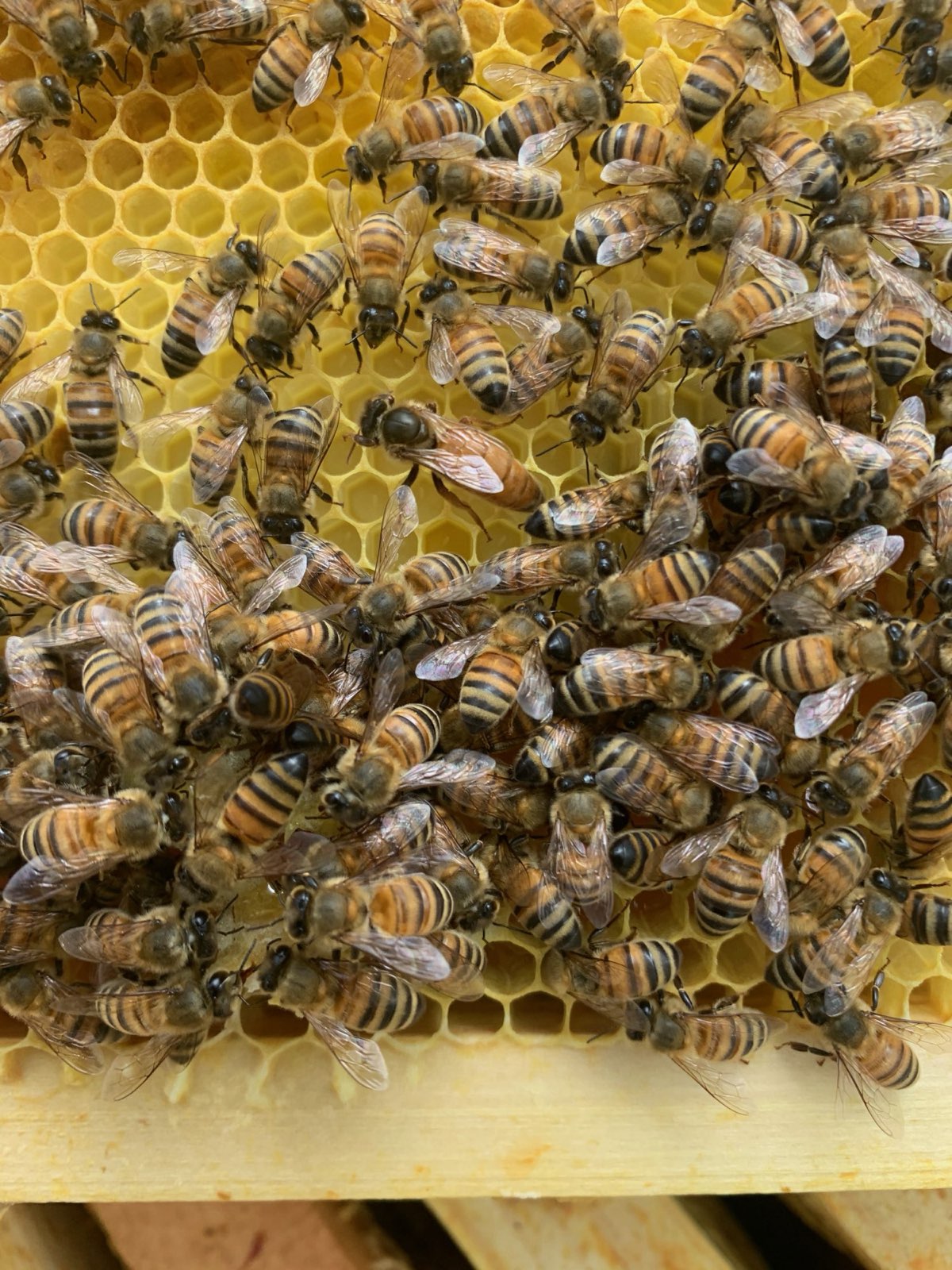
Beeswax isn't collected from flowers — the bees make it themselves. Young worker bees have special glands on their abdomens that secrete tiny flakes of wax, which they chew and shape into the six-sided cells of honeycomb. That comb is the hive's whole structure: it stores honey and pollen and holds the developing brood.
It's expensive for the bees to produce. Rough beekeeping rule of thumb: a colony burns through something like eight pounds of honey to make one pound of wax. That's a big part of why pure beeswax costs what it does — it represents a lot of the colony's work.
How we get clean wax
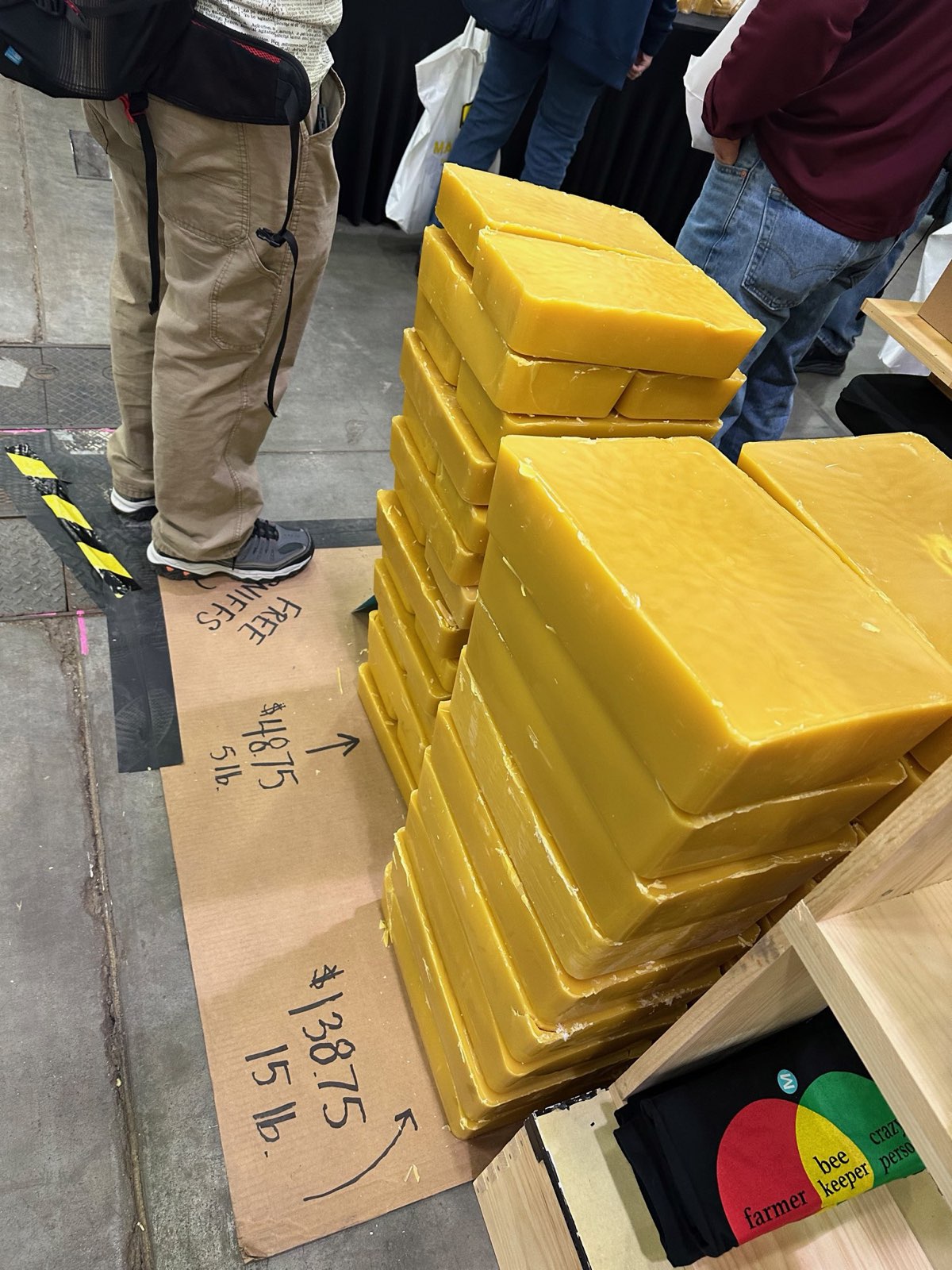
Our beeswax comes from two places: the wax cappings we slice off the comb at harvest (the thin wax lid bees put over ripe honey), and older comb we cycle out of the hives. We melt it down, strain out the debris, and let it re-set into clean blocks. Good rendered beeswax is golden, smells faintly of honey, and is completely natural — nothing added.
What beeswax is genuinely good for
Candles
This is the classic use, and beeswax genuinely makes a better candle than paraffin. It burns brighter and warmer-toned, lasts longer, drips less, and doesn't put off the petroleum soot paraffin does. Beeswax candles have a natural honey scent without any added fragrance.
Salves, balms, and skincare
Beeswax is the base that turns oils into a salve. It gives lip balms, hand salves, and lotion bars their structure and helps them sit on the skin and hold in moisture. It's why so many handmade skincare products list beeswax first.
Beeswax food wraps
Cloth coated in beeswax makes a reusable, washable alternative to plastic wrap — the warmth of your hands molds it around a bowl or a hunk of cheese, and it holds.
Wood and leather care
Melted into a little oil, beeswax makes a fine conditioner and polish for cutting boards, wooden spoons, furniture, and leather. It feeds the wood, brings up a soft sheen, and adds a bit of water resistance.
Around the shop and house
A block of beeswax is handy for all kinds of small jobs: waxing a sticky drawer slide or a stubborn zipper, coating screws and nails so they drive easier, waterproofing thread, or freeing a squeaky hinge.
A couple of practical notes
- It melts low. Beeswax melts around 145°F. Melt it gently in a double boiler or a bowl over warm water — never straight on a burner, since wax is flammable at high heat.
- Yes, it's food-safe. The wax on cut comb honey is edible — you can chew it or spread it on toast, comb and all.
- It keeps forever. Beeswax doesn't spoil. A block will sit in a drawer for years and be ready whenever you need it.
Getting our beeswax
We sell clean beeswax blocks in bulk for crafters, candle makers, woodworkers, and DIY skincare folks, plus finished small-batch beeswax goods — candles, lip balms, salves, and wraps — at the honey stand. Inventory rotates as we render new batches; for larger quantities it's best to call ahead.
Beeswax & handmade goods
Bulk blocks and small-batch products at the stand — 3502 High St., Harrisburg.
Visit the honey stand