How to store raw honey (and what wrecks it)
Honey doesn't spoil — but the things people do to it at home routinely turn $15-a-jar raw honey into the equivalent of supermarket bear honey.
The short version
- Pantry, sealed, room temperature. That's it.
- Don't refrigerate it — speeds up crystallization with no benefit
- Don't freeze it — same
- Don't microwave it — this is the big one
- Keep it out of direct sunlight
- Use a dry spoon
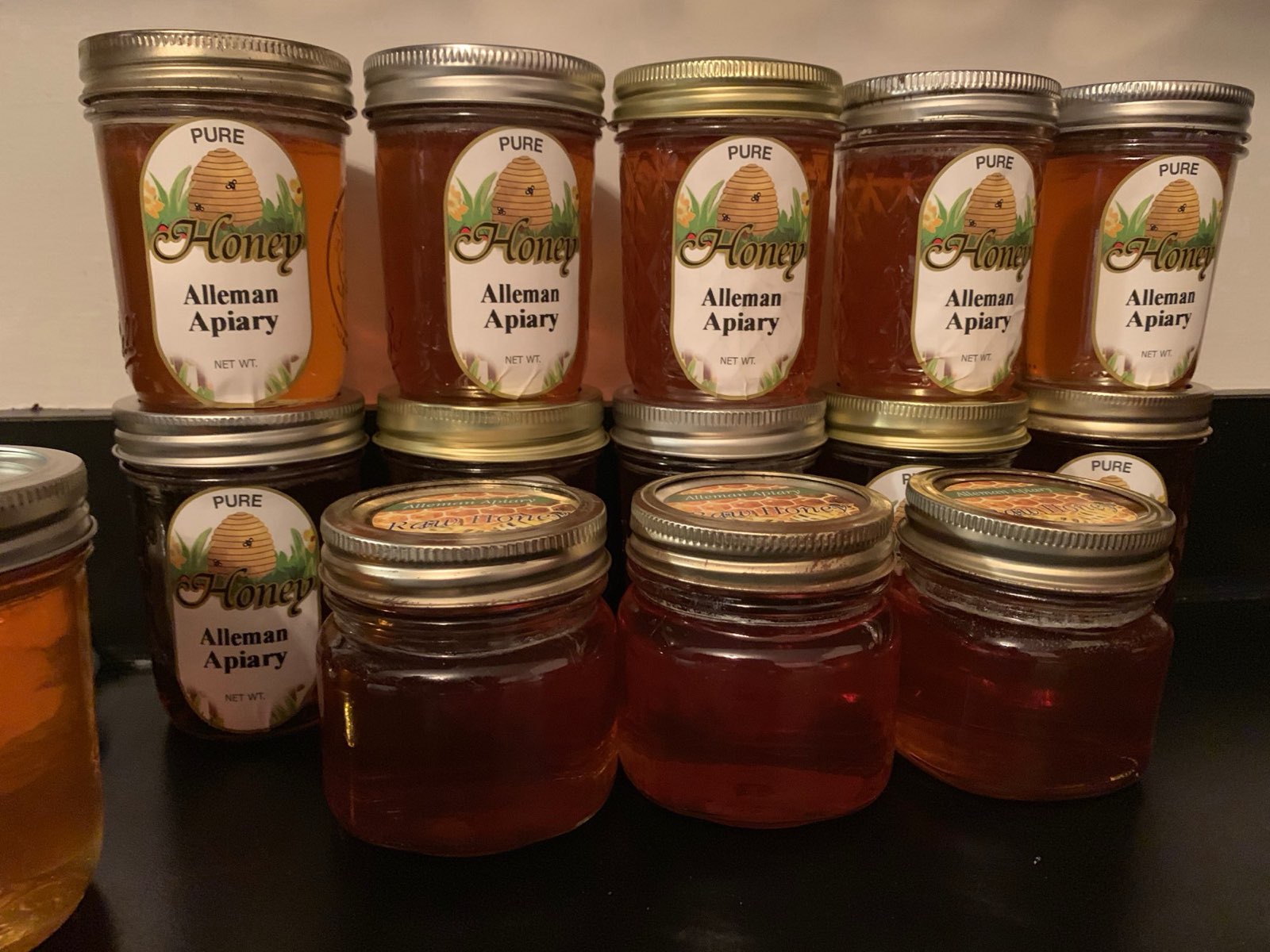
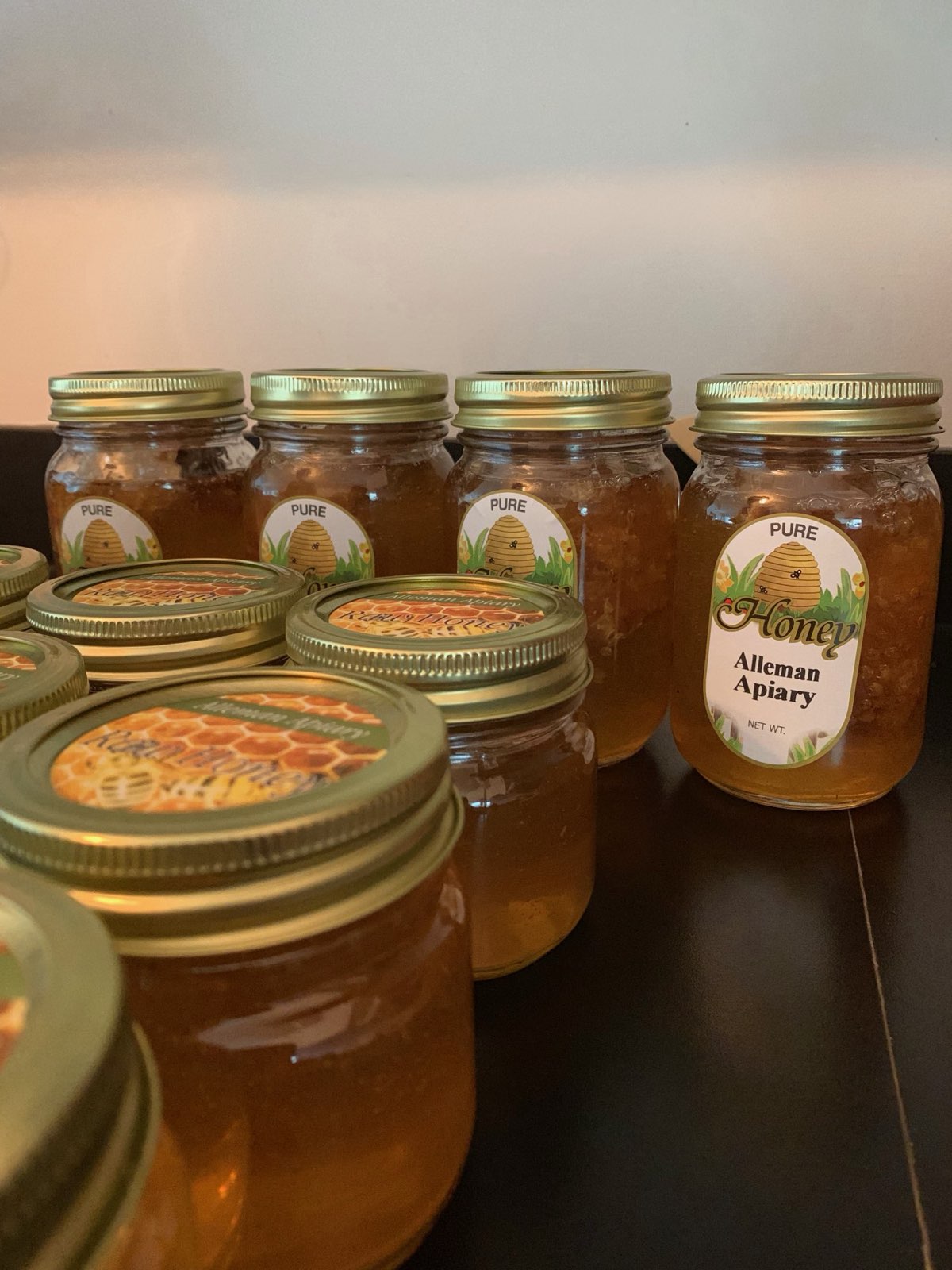
What actually wrecks raw honey
1. Heat (the big one)
What makes raw honey "raw" is everything that's still alive in it — enzymes, pollen, trace amounts of probiotic bacteria. All of those are heat-sensitive. The temperature ranges that matter:
- Below 95°F: nothing changes. Storage temperature range.
- 95–110°F: safe for re-liquefying crystallized honey. Use a warm water bath here.
- 110–140°F: enzymes start degrading. Sustained exposure here is what commercial "raw" honey processors do to slow crystallization — and why theirs isn't really raw.
- Above 140°F: enzymes are destroyed. Pollen starts to break down. The honey is effectively pasteurized.
This is why microwaving raw honey to soften it is the single fastest way to ruin it. A microwave creates hot spots well above 140°F even when the bulk feels lukewarm. By the time you can pour it, the enzymes are gone.
2. Light
Direct sunlight degrades honey color and some of its compounds. A jar on a sunny window sill is a worse spot than a closed pantry. Not a disaster, but no reason to do it.
3. Wet spoons
Honey's antimicrobial properties depend on its low water content. Dipping a wet spoon or a fingertip back into the jar adds water and can let yeast establish — honey is one of the few foods that ferments instead of molding. A small amount of fermentation isn't dangerous, but it ruins the flavor. Always use a clean, dry spoon.
4. Bad containers
The container matters less than people think. Glass is best (inert, sealable, doesn't pick up flavors). Food-grade plastic is fine. The only containers to avoid are reactive metals (uncoated steel, copper) which can react with honey's acids over long storage.
Should you refrigerate honey?
No. Refrigerator temperatures (around 40°F) are actually in the prime range for accelerating crystallization. You'll end up with a rock-solid jar much faster than at room temperature. Honey is shelf-stable indefinitely without refrigeration — the antimicrobial properties take care of it.
Shelf life
Functionally indefinite. Honey from Egyptian tombs has been edible. Raw honey may darken and may crystallize over the years, but it doesn't go bad in any meaningful sense. The flavor evolves slowly — some people prefer aged honey, some prefer fresh.
Practical guideline: a jar of raw honey will be at its best within 1–2 years of harvest. After that it's still safe and edible but the floral character is muted.
Using it
- On hot tea or coffee? Add to the cup once it's cooled below sip temperature. Stirring into boiling tea destroys what you paid for.
- Baking with raw honey? The oven heats everything past 140°F regardless. Use the cheapest honey you have for baking and save the raw for finishing.
- In yogurt, on toast, drizzled on cheese, in salad dressings? No heat involved — the raw honey delivers its actual value.
- Sore throat or seasonal allergies? A spoonful straight, or in slightly warm (not hot) water with lemon. The local pollen content matters here.