Why PA-bred queens outperform Southern imports
A queen from Georgia costs $35 and gets killed by January in central Pennsylvania. A queen bred from PA stock costs more — and her colony is alive the following spring.
The cheap-queen pipeline
The bulk of the queens sold in the US come from a handful of large commercial breeders in Georgia, Florida, California, and Hawaii. The economics are obvious: those climates support year-round breeding, the queens are cheap to produce, and they get shipped overnight to every beekeeping supply store in the country every spring.
Most package bees and replacement queens you can buy in April from a national supplier started life in a much warmer place than wherever you live.
What goes wrong when you import southern stock to PA
It's not that southern queens are bad bees. They've been bred to thrive in their climate. The problem is that "their climate" looks nothing like ours.
- Brood-rearing patterns. Southern queens are bred to keep laying through mild winters. Dropped into a Pennsylvania November they keep trying to raise brood when they should be shutting down — burning through honey stores and stressing the colony.
- Cluster behavior. Northern bees form tighter, more efficient winter clusters. Southern bees often don't, and lose heat faster in our extended cold snaps.
- Spring buildup timing. A southern queen wants to ramp up brood in early March. In central PA, March is still cold, the bees can't forage, and the expanded brood nest eats food faster than they can replace it.
- Mite tolerance. Locally adapted stock that's been overwintering successfully in our area for generations carries the genetics that worked in our conditions. Mass-produced commercial stock often doesn't.
What "PA-bred" actually means
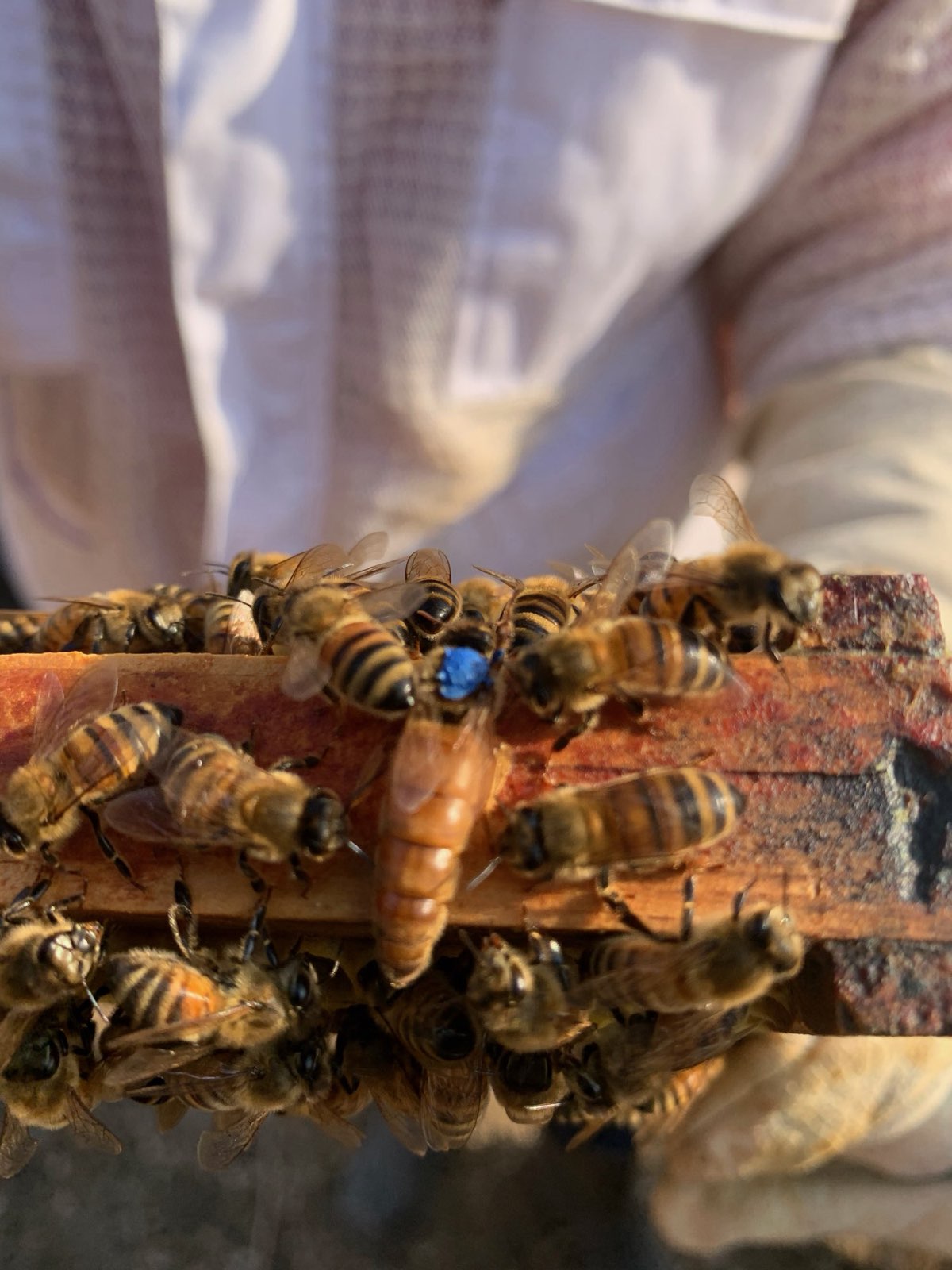
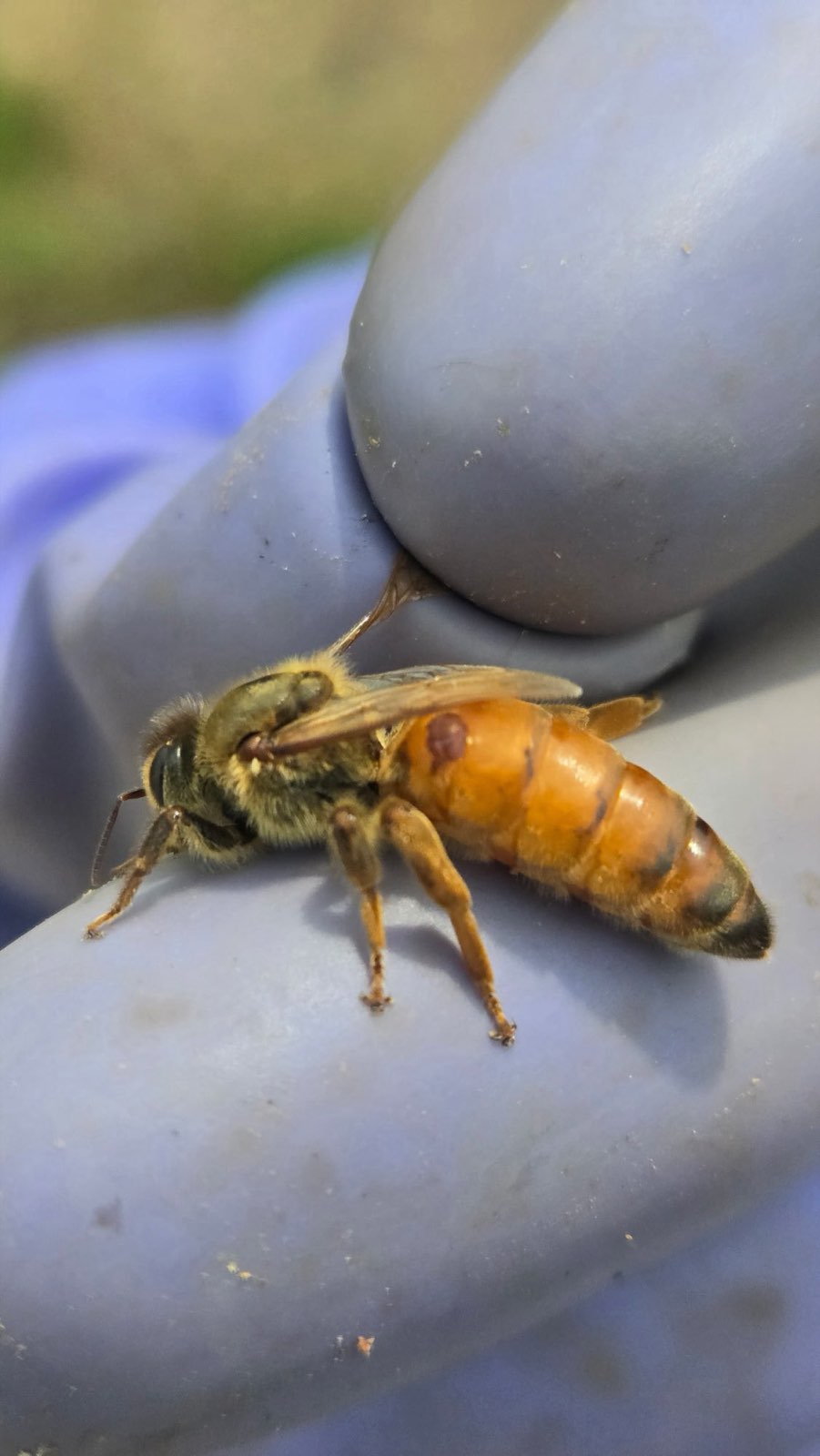
A PA-bred queen comes from breeder stock that has been overwintering in Pennsylvania for multiple generations. The mother colony survived our winters. Her grandmother survived our winters. The genetics that get passed on are the ones that work here.
It's not magic — it's natural selection running locally instead of in a Georgia greenhouse.
The traits we select for at our apiary:
- Strong winter survival from PA-overwintered breeder mothers
- Gentle behavior (easier inspections, less smoke, less defensiveness)
- Productive spring buildup matched to PA bloom timing
- Good cluster behavior in winter
- Hygienic mite-resistance behaviors
What you'll pay more for
Locally bred queens cost more than commercial imports — usually around 2–3x. The reasons are practical:
- We can only raise queens during our shorter breeding season (roughly May–August in PA)
- Smaller production runs from a small apiary
- Each queen is from a known mother and verified mated
- No overnight shipping costs — you pick up locally
The math works out though: a $50–$75 PA-bred queen heading a colony that survives 3+ winters is much cheaper than a $35 southern queen requiring a replacement queen and new bees every spring.
When to requeen
Most beekeepers requeen at least every other year. Reasons to requeen now:
- You inherited an older or unknown queen and want known genetics
- Your colony has been increasingly defensive (a queen change can mellow them out)
- You're running a southern-stock queen heading into her first PA winter
- Your queen is failing — spotty brood pattern, low laying rate
If you're not sure which case applies, send a description and a photo of the brood pattern — we'll tell you whether requeening is the right move.
Reserve a PA-bred queen
Limited numbers each season. Call or text to get on the list early.
Queens & nucs →