Is there such a thing as organic honey?
People ask us this at the stand all the time. The short answer: "organic honey" exists as a label, but it's genuinely hard to certify honestly — because you can't control where a bee flies. Here's the real story, and why we'd point you toward "raw and local" instead.
The problem: bees don't stay put
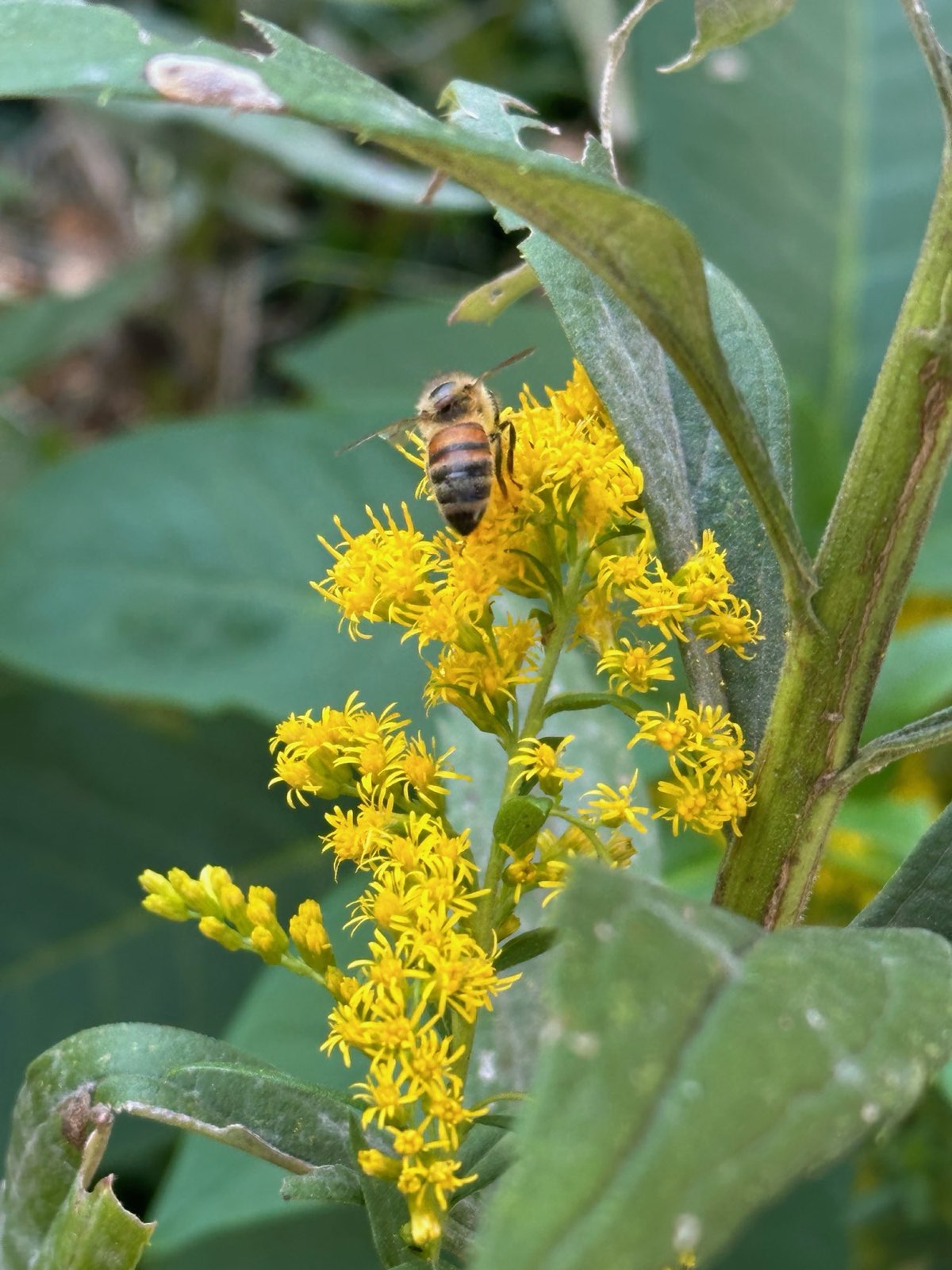
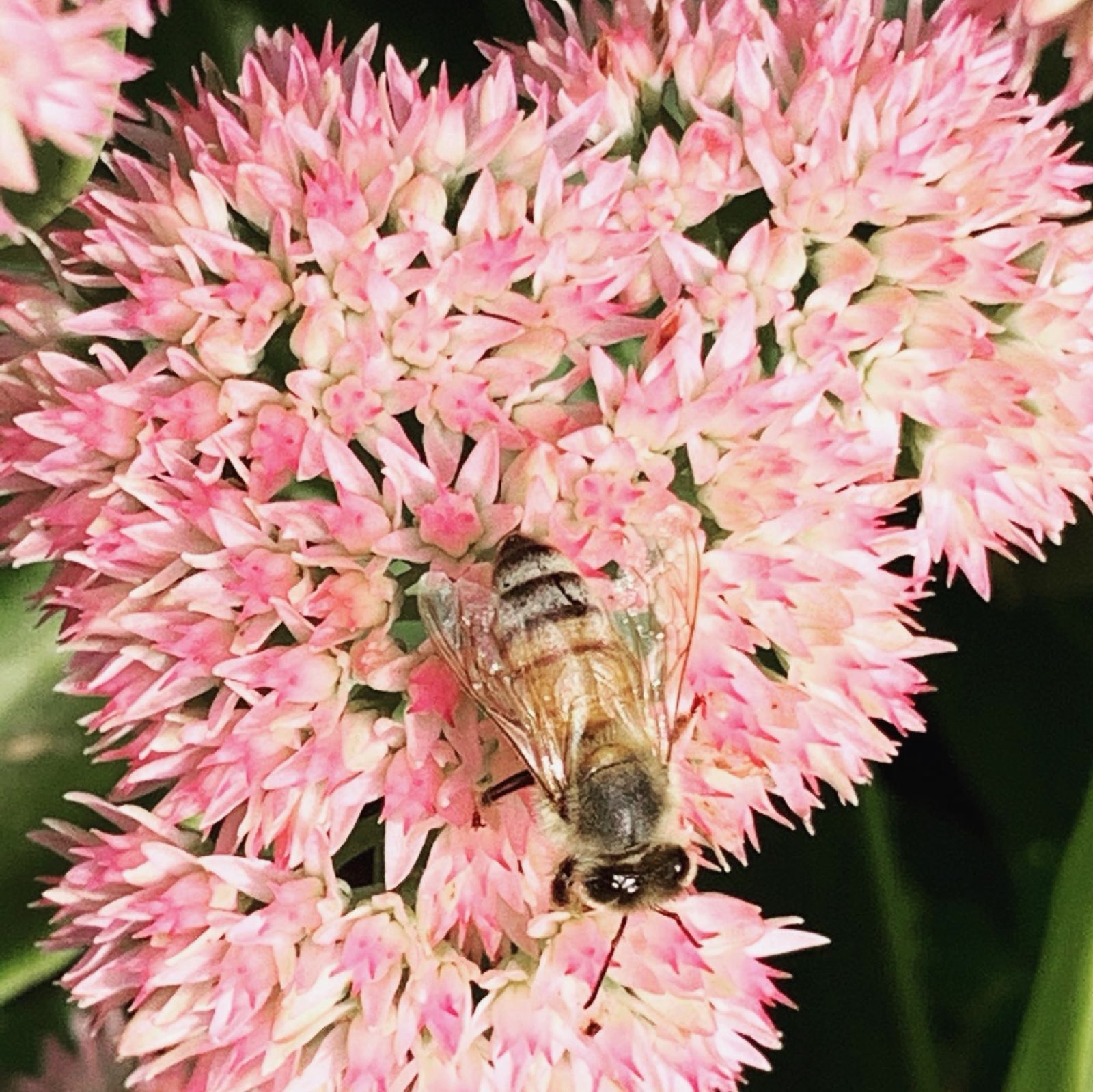
For a crop like carrots, "organic" is straightforward — you control the field, the soil, and what gets sprayed on it. Honey is different, because the "field" is wherever the bees decide to go. A honey bee will forage a couple of miles from her hive in every direction, which covers thousands of acres. To truly guarantee organic honey, you'd have to certify that every flower within that whole radius is grown organically — no conventional farms, no treated lawns, no roadside spraying. In most of the country, and certainly in a settled area like ours, that's basically impossible to promise.
What "organic honey" certification actually covers
Where honey is certified organic, the rules generally focus on things the beekeeper can control:
- The hives sit in a large area of organic or wild forage, away from conventional agriculture and pollution sources.
- The bees are managed without synthetic miticides or antibiotics.
- The equipment and processing avoid prohibited materials.
- The bees aren't fed sugar in a way that ends up in the honey you buy.
That's a meaningful standard for how the bees are kept. But notice what it can't fully guarantee: exactly which flowers the bees visited and whether those flowers were sprayed. That's the gap the honey world quietly lives with.
Why most "organic honey" on U.S. shelves is imported
The U.S. doesn't have a honey-specific national organic standard the way it does for many crops; organic honey is certified by applying broader organic livestock rules. Because it's so hard to meet those conditions in developed parts of the U.S., most honey labeled organic in American stores is imported from places with vast, remote foraging areas. And imported honey brings its own issues — long supply chains, blending, and in some cases adulteration. So an "organic" label can actually mean the honey traveled a very long way and you know less about it, not more.
Why we say "raw and local" instead
We don't market our honey as organic, because we won't claim something we can't fully stand behind — our bees forage a normal Central PA landscape, and we're not going to pretend otherwise. What we can tell you is exactly what it is:
- Raw — never heated above hive temperature, never fine-filtered, so the pollen and enzymes are still in it (raw vs. pasteurized honey).
- Local and single-source — from our own hives here in Harrisburg, not blended with anything from anywhere.
- Traceable — you can talk to the people who keep the bees and see exactly where it comes from.
For most people, that transparency is worth more than an organic sticker on a jar that flew in from another continent. You know the beekeeper, you know the town, and you can taste the season in it.
The bottom line
Organic honey is real, but it's a hard, imperfect claim — and the label alone doesn't tell you the honey is raw, local, or unadulterated. If those things matter to you, the surest path isn't hunting for an organic label. It's buying raw honey from a local beekeeper you can actually ask. That's the whole reason a honey stand like ours exists.
Know exactly where it came from
Raw, local, single-source — from our hives to the stand at 3502 High St., Harrisburg.
Visit our honey page