Raw vs. pasteurized honey: which is better?
Most of the honey on a grocery shelf has been heated and filtered until it's shelf-stable, crystal-clear, and pretty close to flavored sugar syrup. Raw honey is the version that never went through that. Here's what actually separates the two.
The short version
- Raw honey is extracted, strained through a coarse screen, and jarred. Nothing else.
- Pasteurized honey is heated to around 145–160°F, then fine-filtered under pressure.
- Heating and fine-filtering kill enzymes, remove pollen, and mute the floral flavor.
- They do it to slow crystallization and make the jar look clear on a shelf — not to make it safer or better.
- Raw honey is the better product for eating. Pasteurized honey is the better product for a warehouse.
What pasteurization actually does
Pasteurization was invented to kill harmful bacteria in things like milk. Honey doesn't need that — it's naturally antimicrobial and doesn't grow the bugs pasteurization targets. So when honey is "pasteurized," it isn't being made safe. It's being processed for shelf appeal and logistics.
Two things happen in that process:
1. Heat
The honey is warmed to roughly 145–160°F so it flows easily and resists crystallizing. That temperature range destroys the natural enzymes (the ones that make raw honey biologically "alive") and flattens the delicate aromatic compounds that give a local honey its character. What you're left with tastes generically sweet — the same from jar to jar, season to season, which is exactly what a national brand wants.
2. Fine filtering
The warm honey is forced through very fine filters, sometimes with added pressure or diatomaceous earth. This strips out the pollen, tiny wax particles, and trace bits that make honey cloudy. The result is glass-clear. It also means you can't trace that honey back to a place — no pollen, no fingerprint. For local honey, the pollen is part of the point.
Why raw honey crystallizes and pasteurized honey doesn't
Left alone, most raw honey eventually turns thick and grainy. That's crystallization, and it's a sign of the real thing — the glucose in the honey is settling out of solution. Pasteurized honey stays runny and clear for years because the heat and filtering removed the tiny particles that crystals form around. So the "never crystallizes" jar isn't better honey; it's honey that had the good parts taken out. (More on that in why raw honey crystallizes.)
Is one healthier?
Raw honey keeps its enzymes, its pollen, and its antioxidants. Pasteurized honey has less of all three. That's the honest difference. We're beekeepers, not doctors, so we won't oversell it — but if you're buying honey for anything beyond raw sweetness, the raw version is the one that still has those things in it. There's more in the health benefits of raw local honey.
One caveat that applies to both: never give any honey, raw or pasteurized, to a baby under 12 months. That has nothing to do with processing — it's about infant botulism, and it's true for every kind of honey.
When pasteurized honey makes sense
We're not going to pretend it's useless. If you're baking, sweetening a marinade, or cooking anything that gets hot, the heat destroys the delicate parts of raw honey anyway — so there's no reason to "waste" good raw honey on it. A cheap jar of pasteurized honey is fine for that. Save the raw honey for the uses where you actually taste it: on toast, in yogurt, drizzled on cheese, straight off the spoon. (See cooking and baking with honey.)
How to tell what you're buying
- Read the label. "Raw" and "unfiltered" are the words you want. "Pure" and "100% honey" say nothing about processing.
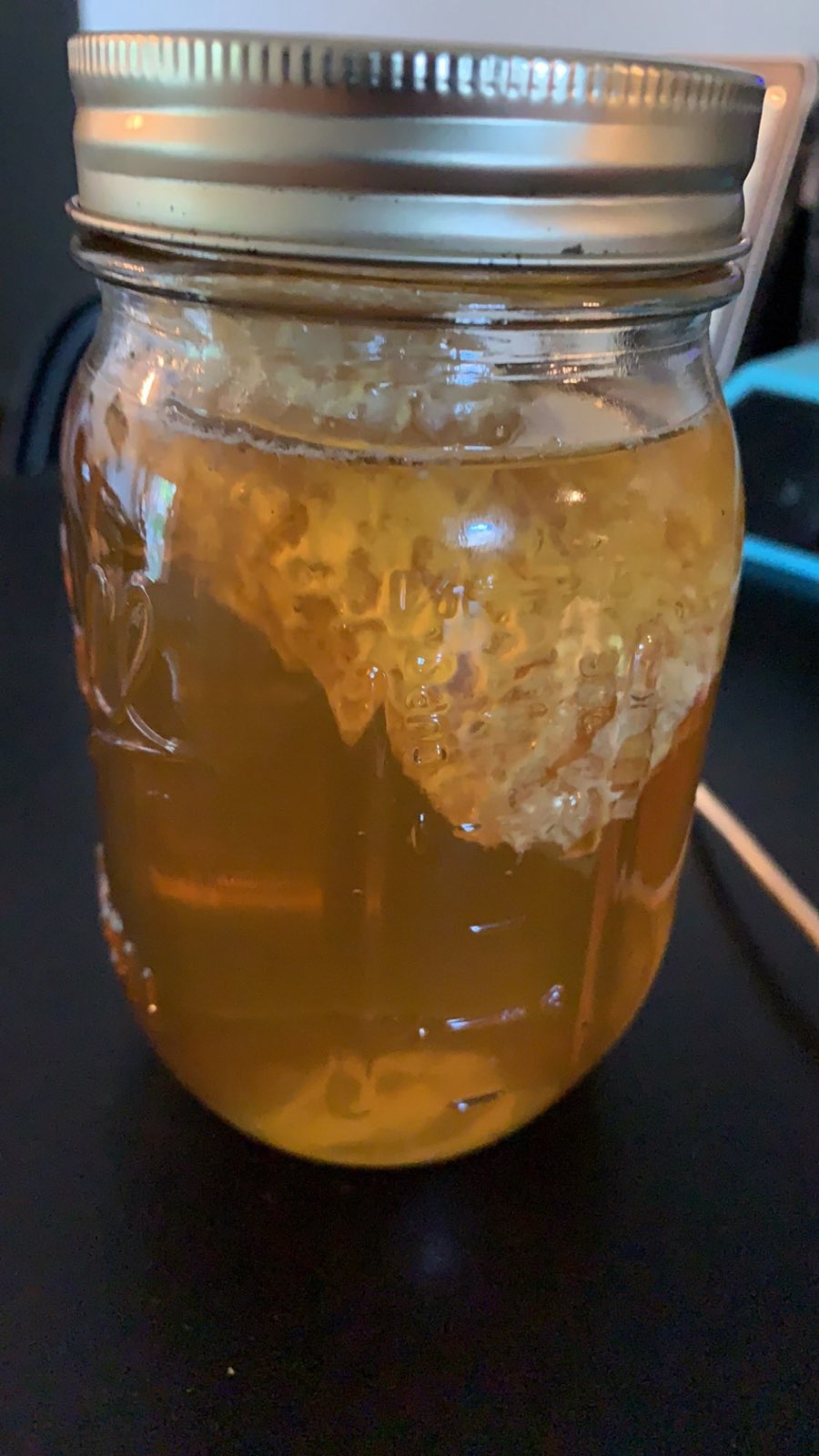
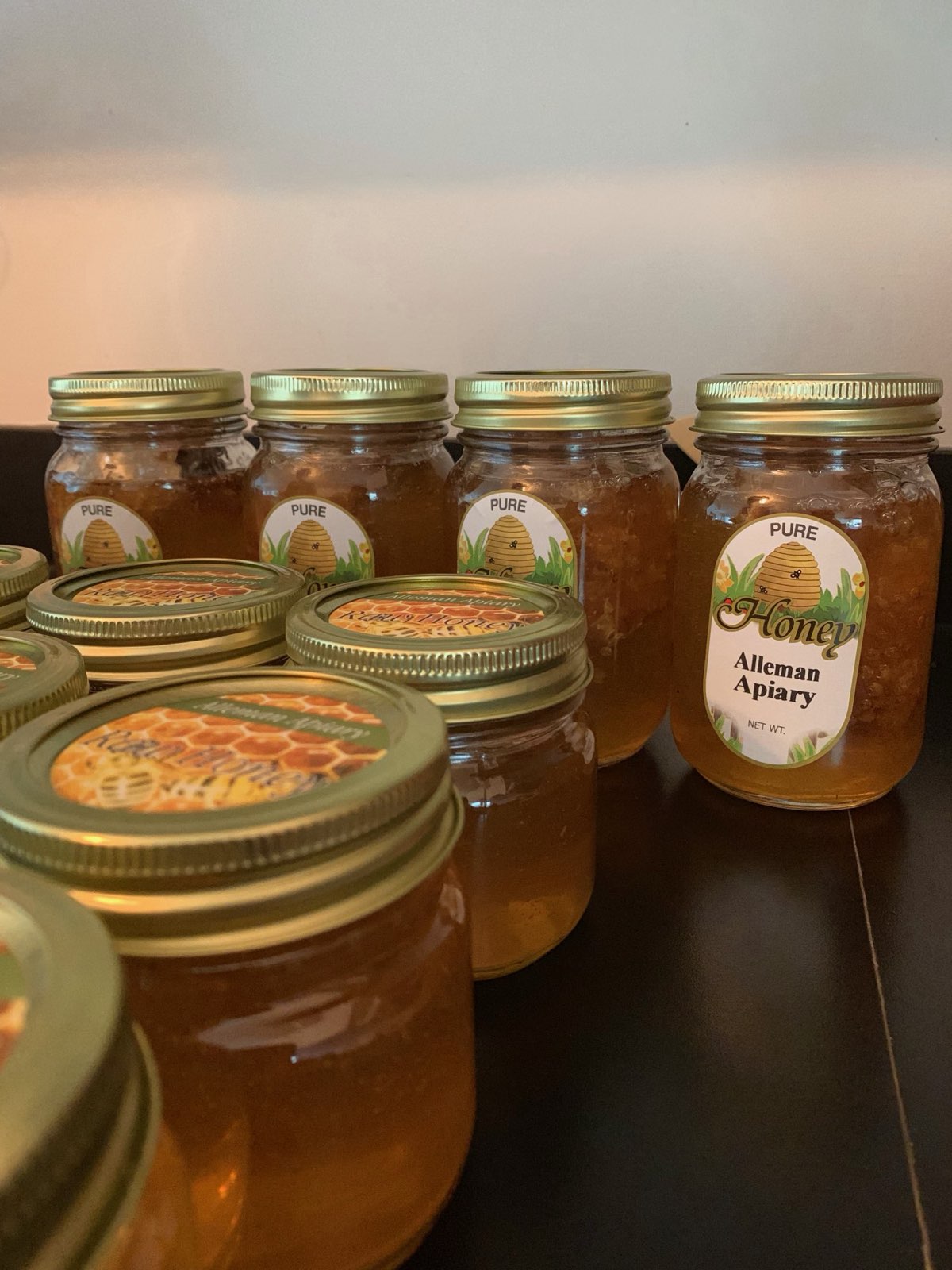
- Look at it. Raw honey is usually a little cloudy and may already be partly crystallized. Perfectly clear, glass-bright honey has almost always been heated and filtered.
- Buy local. The surest way to get truly raw honey is to buy it from the person who kept the bees. Ours comes off our own hives in Harrisburg, gets strained, and goes in the jar — no heat, no fine filter.
Want the real thing?
Raw, unheated, off our own hives — 3502 High St., Harrisburg.
Visit our honey page