Varroa thresholds in Pennsylvania: when do you treat?
You did the alcohol wash and you've got a number. Now what? Here's how we read mite counts across a Central PA season — and why the same number means different things in May and August.
The short version
The guidance most of the industry works from (Honey Bee Health Coalition, university extension programs) lands close to this: act at 2–3 mites per 100 bees, with the acceptable end of that range shrinking as the season goes on. Our own practice in Central PA:
- Early spring (March–May): act at 2 per 100. Mite populations double roughly monthly while brood is present. A 2% colony in April is a 8–10% colony by August if you ignore it — you're not treating today's problem, you're preventing August's.
- Summer (June–July): 2–3 per 100 means schedule a treatment, and mind the honey supers and temperature limits of whatever you use.
- August: 3 per 100 is a hard action line — and honestly we don't like seeing 2. This is the count that decides winter. The bees raised in September and October are your winter bees; if they're raised by mite-stressed, virus-loaded nurse bees, the colony dies in January no matter what you do in November.
- Fall (September–October): anything at 3 or above needs immediate action. Late treatment beats no treatment, but you're salvaging at that point.
- Any time of year: double digits per 100 is a crisis, not a scheduling item. Treat now and recheck.
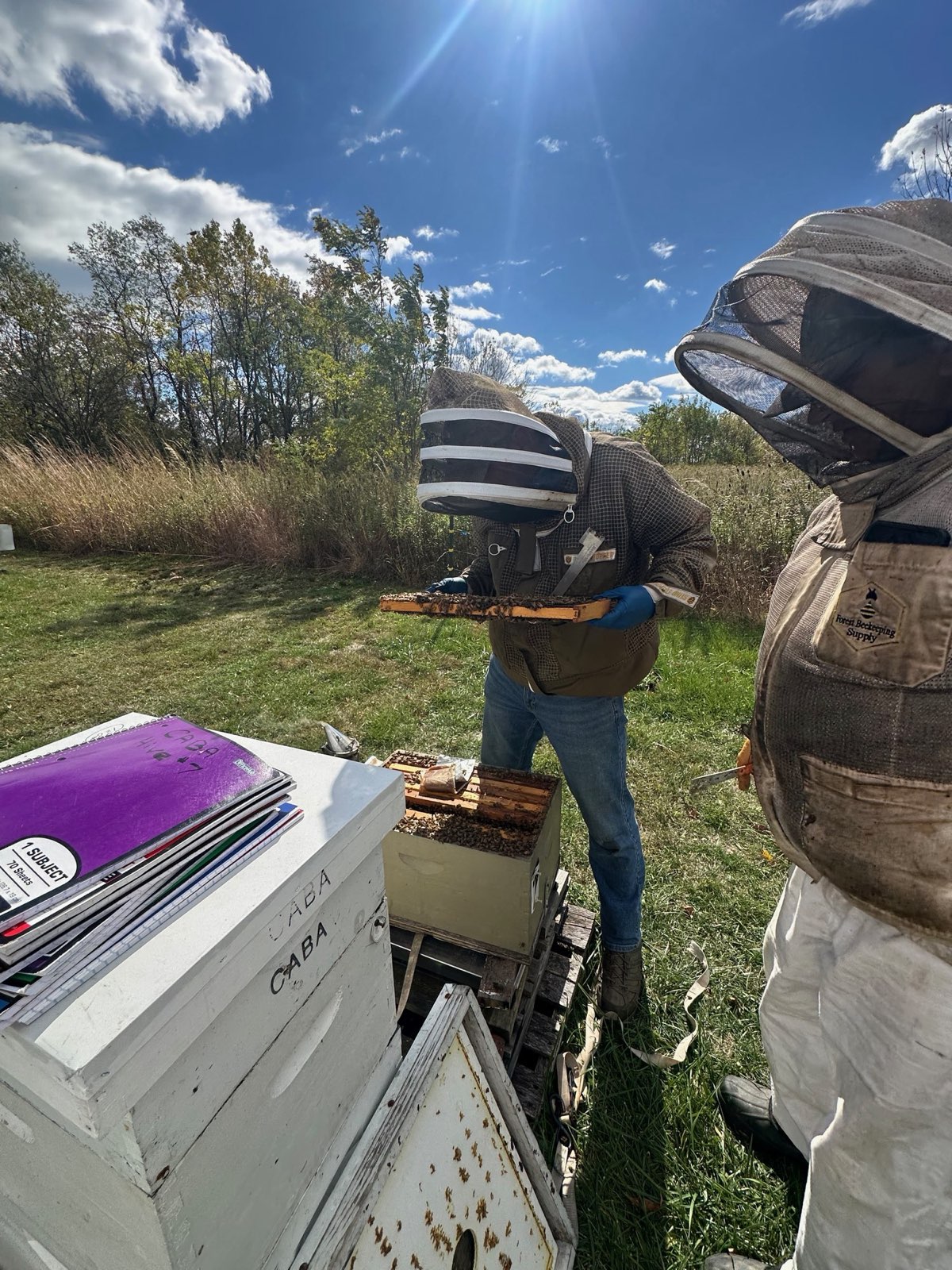
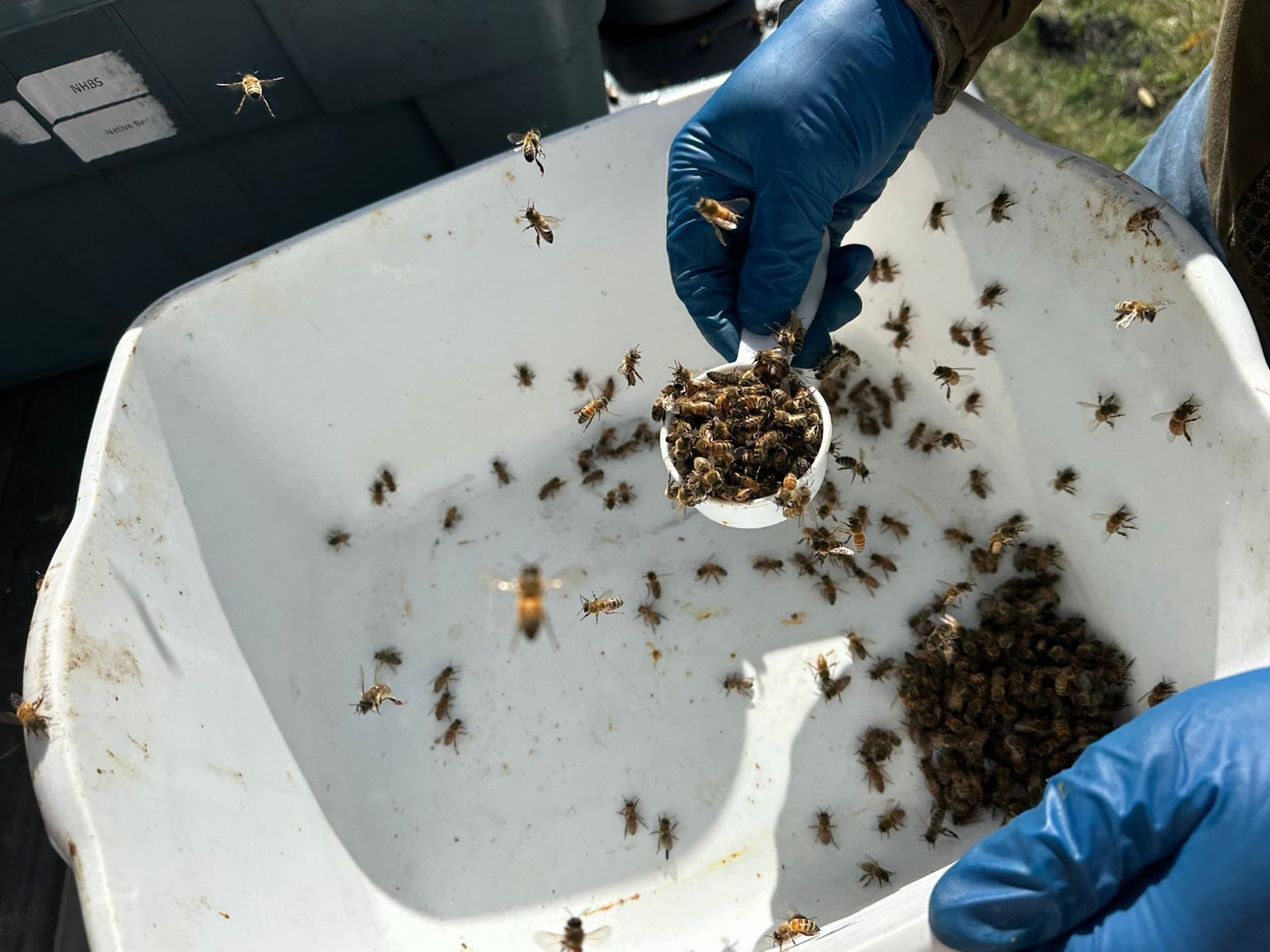
Why August is the whole ballgame here
Central PA winters are decided in late summer. Colonies peak in June–July and start contracting, while mite populations keep climbing — so the mites-per-bee ratio accelerates even when the mite count "only" holds steady. Meanwhile the colony is about to raise the fat winter bees that must live five months instead of five weeks. Mite feeding and the viruses mites carry (deformed wing virus above all) wreck exactly those bees. A clean August means a strong January. It's that direct.
The mite bomb problem
Your mite count isn't only about your bees. In late summer, colonies collapsing from varroa — feral colonies, untreated hives in someone's backyard a mile away — get robbed out by every strong colony in flying range, and the robbers carry the mites home. We've watched clean colonies triple their counts in three weeks during a September robbing event. It's why the post-treatment recheck and a late-fall count matter even when you "already treated": in Pennsylvania's patchwork of backyard apiaries, you share your mite management with every beekeeper around you.
Counts, not calendars
The old habit of treating on fixed dates — spring and fall, whatever the count — fails in both directions: it misses June spikes, and it wastes treatments (and builds resistance) on colonies that didn't need them. The monitoring rhythm that actually works: count monthly in season, act on thresholds, verify after every treatment. What you treat with depends on temperature, honey supers, brood status, and what you've used before — that's a longer conversation, and an area where blindly copying someone else's recipe goes wrong fast.
If you want help building a varroa plan for your own apiary — thresholds, product rotation, timing around the Central PA nectar flows — that's core curriculum in our beekeeping mentorship. And every nuc and queen we sell comes from stock managed on exactly this system.
Want a varroa plan for your apiary?
Monitoring, thresholds, and treatment decisions — taught hands-on, in your own hives.
Call or Text 717-379-3248