The health benefits of raw local honey — honestly
There's a lot written about honey curing everything short of a broken leg. We keep bees for a living, so we'll give you the straight version: what raw local honey genuinely offers, what the evidence actually supports, and the claims we won't make.
What's actually in raw honey
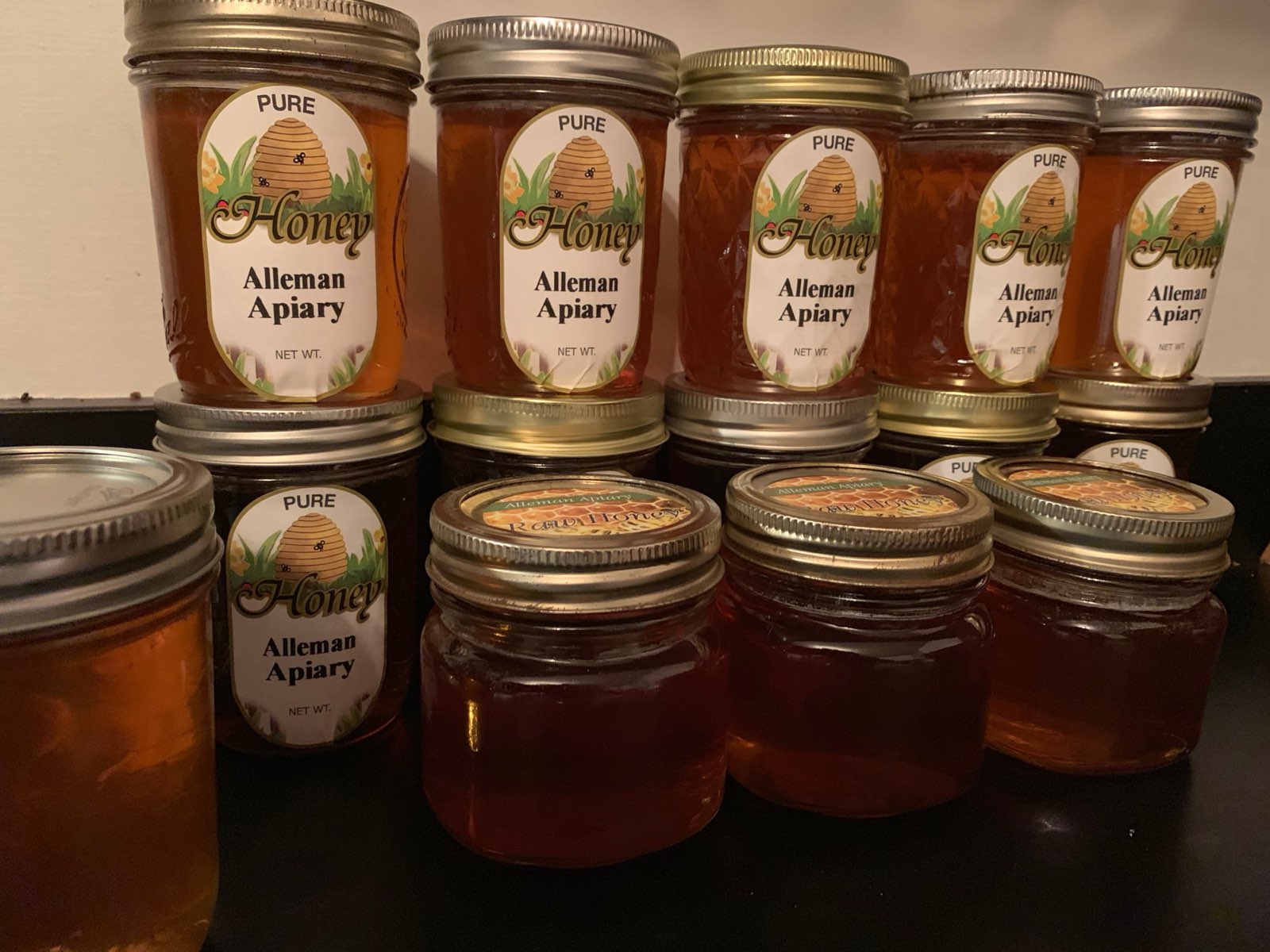
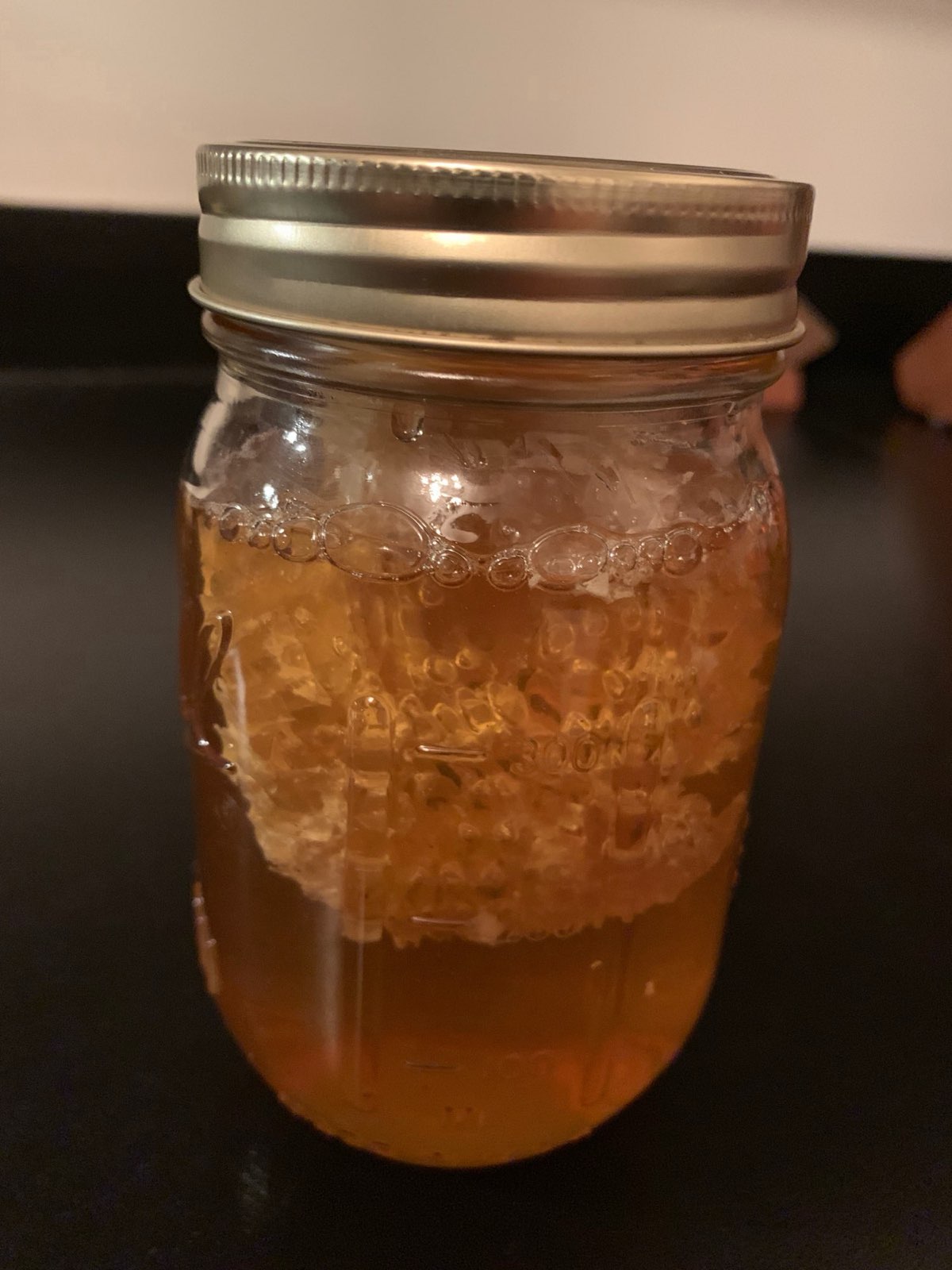
Raw honey isn't just sugar, even though sugar is most of it. Because it's never heated or fine-filtered, it still contains:
- Enzymes the bees added — including glucose oxidase, which produces small amounts of hydrogen peroxide and is part of why honey resists bacteria.
- Antioxidants — flavonoids and phenolic acids that come from the flowers. Darker honeys (like our fall goldenrod crop) generally carry more of these than light spring honey.
- Trace pollen from the plants the bees worked, which is the basis of the local-allergy idea below.
- A little bit of everything else — trace minerals, amino acids, and aromatic compounds that give each honey its own character.
Pasteurized supermarket honey has been stripped of most of this. That's the whole reason raw honey is worth talking about — see raw vs. pasteurized honey for the difference.
What holds up
Soothing a sore throat and cough
This is the best-supported one. Honey coats and soothes an irritated throat, and several studies have found a spoonful can quiet a nighttime cough about as well as common over-the-counter cough remedies — particularly in kids over one year old. It's the reason honey-and-lemon in warm water is a genuine home remedy and not just folklore.
Wound care (in a clinical setting)
Medical-grade honey is used on burns and wounds in real hospitals, because honey's low moisture and natural peroxide activity discourage bacteria. That's a controlled, sterilized product — not a reason to smear table honey on a cut — but it shows the antimicrobial effect is real.
A better sweetener than refined sugar
Honey is still sugar, and your body treats it as sugar. But swapping it in for white sugar means you also get the antioxidants and trace compounds that refined sugar simply doesn't have. It's sweeter by volume too, so you often use a little less.
The allergy question
The popular idea is that eating local honey exposes you to small amounts of local pollen and eases seasonal allergies, like a gentle allergy shot. It's a reasonable-sounding theory and a lot of our customers swear by it.
Here's the honest part: the science is mixed and far from settled, and there's a wrinkle — most seasonal allergies come from wind-blown pollen (grasses, ragweed, trees), while honey mostly carries the heavier flower pollen bees collect. So the pollen in honey isn't necessarily the pollen making you sneeze. We're not going to promise it clears up your allergies. What we'll say is: it's raw, it's local, plenty of people feel it helps them, and a spoonful of good honey a day is a pleasant thing to try. Just don't drop your actual allergy plan for it.
The claims we won't make
You'll see honey sold as a cure for all kinds of things. We're beekeepers, not doctors, and we'd rather keep your trust than move a jar. So, plainly:
- Honey is not a weight-loss product. It's sugar.
- It doesn't "detox" anything — your liver and kidneys handle that.
- It won't cure a disease, and nothing on this page is medical advice.
- If you have a health condition — diabetes especially — talk to your doctor before making honey a regular thing.
The one hard rule
Never give honey to a baby under 12 months old. Raw or pasteurized, it doesn't matter — honey can carry spores that cause infant botulism, which is serious. Over one year old, a child's gut handles it fine. This is the one place we're absolute.
How to actually get the benefits
Whatever honey does for you, heat undoes. Stirring raw honey into boiling tea cooks off the enzymes and delicate compounds you bought it for. Add it once the cup has cooled to sipping temperature, eat it on something that isn't hot, or take it straight. And store it right so it stays raw — how to store raw honey covers that.