What do honey grades (A, B, C) actually mean?
You'll sometimes see honey labeled "Grade A," and people assume it means "best." Sort of — but not in the way most folks think. Here's what the grade actually measures, how it's different from color, and why the raw honey worth buying often isn't graded at all.
Two different things get called "grade"
People mix up two separate systems: the USDA letter grade (A, B, C) and the color classification (water white through dark amber). They measure completely different things. Let's take them one at a time.
The USDA letter grade
The USDA has a voluntary grading standard for honey. It scores honey on a handful of quality factors and lands it in a grade:
- Grade A — highest score. Excellent flavor and aroma, very few defects, good clarity, low moisture.
- Grade B — good, reasonably good flavor and clarity, a touch more allowance for imperfections.
- Grade C — fairly good; meets the basics but with more leeway on defects.
- Substandard — fails to meet Grade C.
The main things a grader looks at are water content (lower is better — too much water and honey can ferment), flavor and aroma (free of off-flavors, smoke, or fermentation), absence of defects (no bits of wax, bee parts, or debris), and clarity.
Here's the catch: grade rewards clarity
Notice that "clear and free of particles" helps the grade. But raw, unfiltered honey is supposed to be a little cloudy — that haze is the pollen and fine wax that prove it's real and unprocessed (see raw vs. pasteurized honey). To hit a perfectly clear, top-clarity Grade A, honey is usually heated and fine-filtered — which strips out exactly the stuff that makes raw local honey worth buying.
So "Grade A" on a supermarket jar mostly tells you it's clean, low-moisture, and clear. It does not tell you it's raw, local, or more nutritious. A jar of excellent raw honey and a jar of stripped-down commodity honey can both be "Grade A."
The color scale (a separate thing)
Honey is also classified by color, from lightest to darkest, on a scale that runs roughly: water white → extra white → white → extra light amber → light amber → amber → dark amber. This is not a quality ranking — it's just a description. Color comes from the flowers the bees worked. Lighter honey is usually milder; darker honey is usually bolder and higher in antioxidants. Neither is "better" — it's preference. (More on that in types of honey by flower.)
Why our honey usually isn't graded
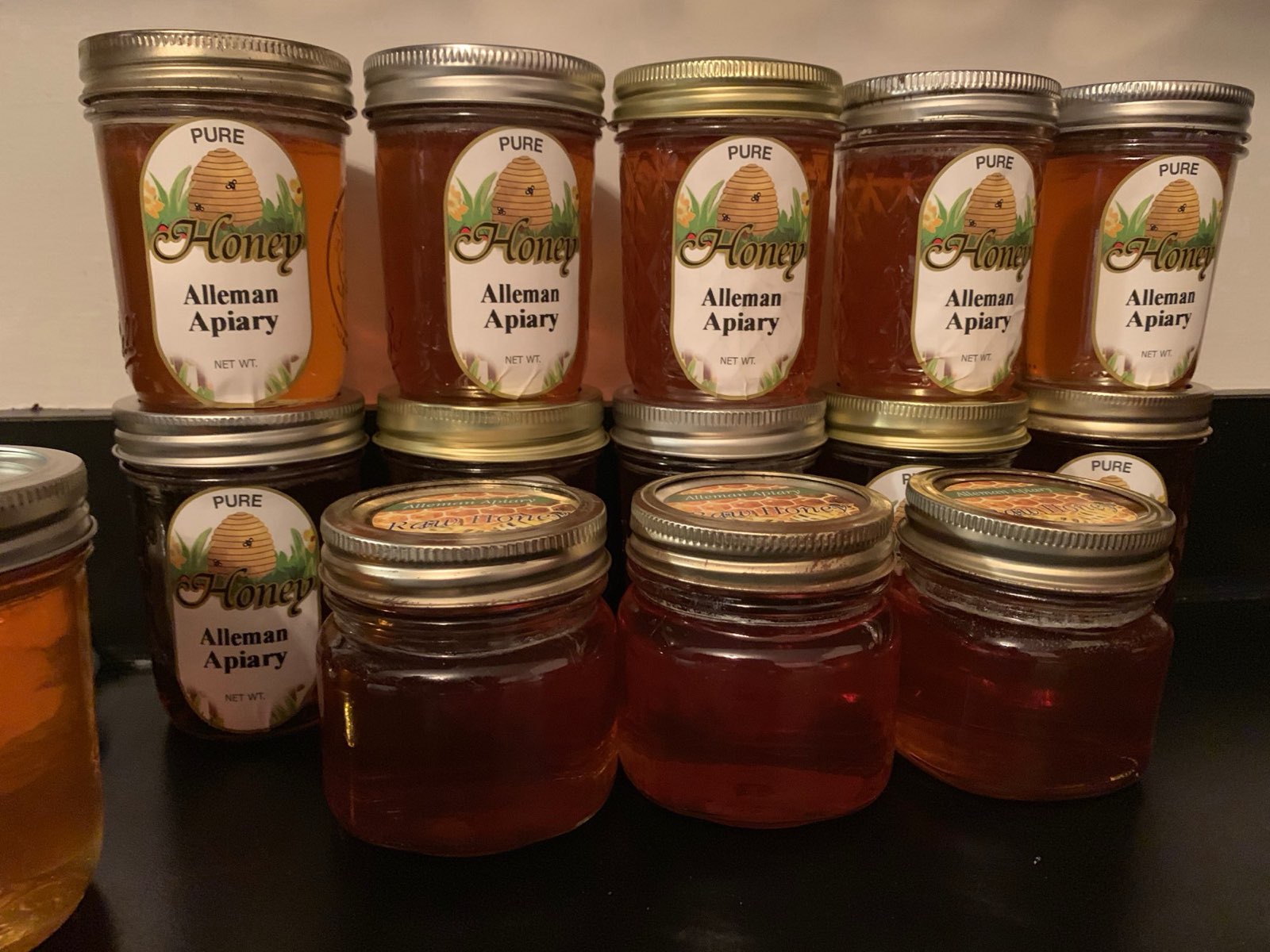
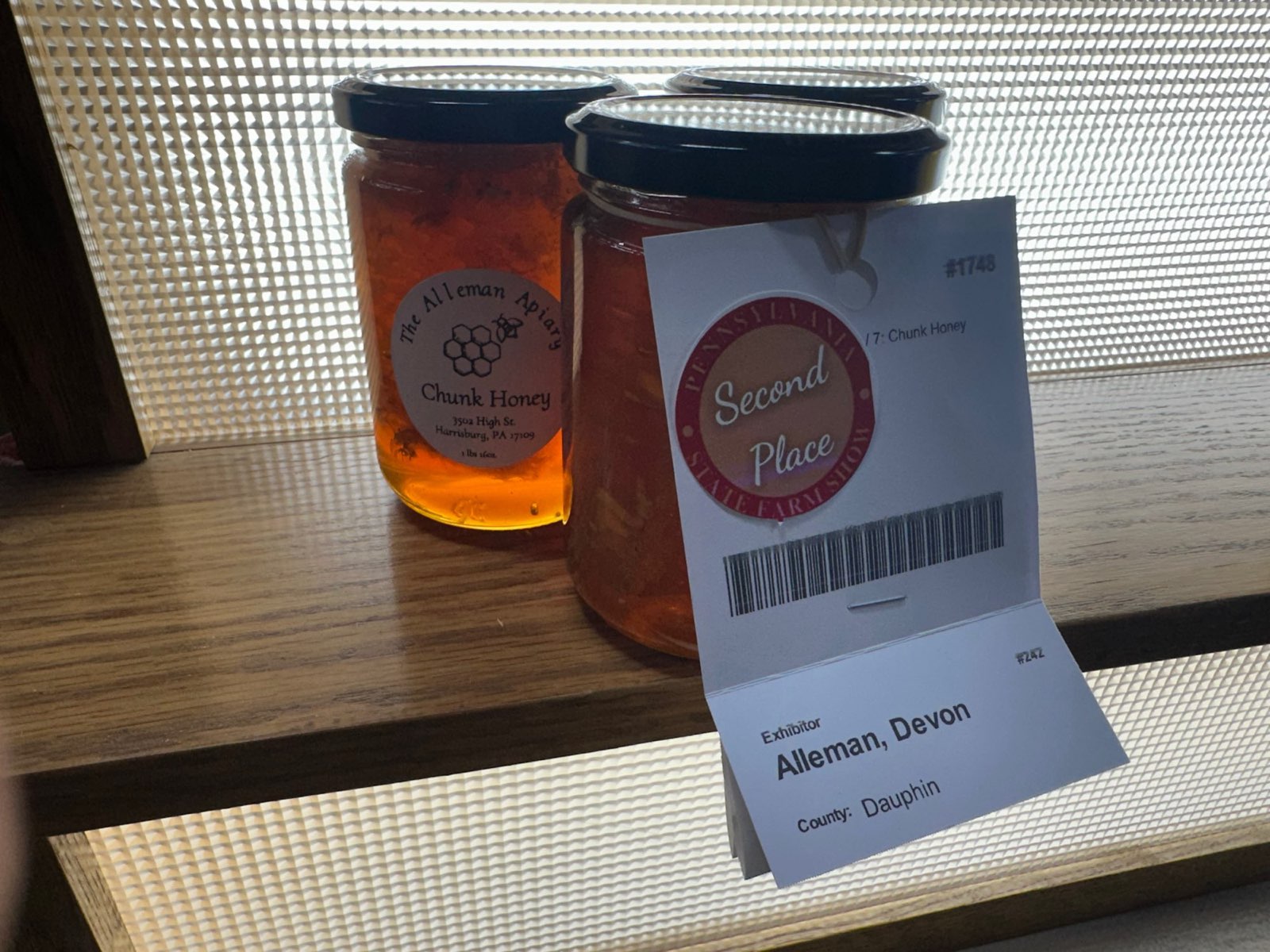
Formal USDA grading is mostly a tool for large-scale packers moving honey in volume. A small apiary selling raw honey directly to neighbors doesn't need a letter on the jar — you can talk to the person who kept the bees, see that it's raw and local, and taste it yourself. That's a better signal than any grade. Our honey would clear the flavor and moisture bars easily; it just wouldn't chase the "perfectly clear" clarity mark, because staying raw and cloudy is the whole point.
What to actually look for
- "Raw" and "unfiltered" on the label — those words matter more than a grade.
- Local and single-source — you know where it came from.
- A little cloudiness or crystallization — signs it's the real, unprocessed thing.
- Someone you can ask. The best quality check is buying from the beekeeper.
Skip the grade — taste it
Raw, unfiltered, straight from our Harrisburg hives — 3502 High St.
Visit our honey page