Types of honey by flower: why every batch tastes different
Honey isn't one flavor. It tastes like wherever the bees have been. The same hives in the same yard produce a light, delicate honey in early summer and a dark, robust one in fall — because the flowers changed. Here's how that works, and what's growing into the jar here in Central PA.
Where honey flavor comes from
Bees turn flower nectar into honey, and each flower's nectar carries its own sugars, aromatics, and color. So the flavor and color of a honey is essentially a record of which flowers were blooming when the bees filled that comb. Light, floral, dark, malty, citrusy, molasses-like — it all traces back to the plants, not to anything the beekeeper adds.
Varietal honey vs. wildflower honey
Varietal (single-flower) honey
A varietal honey comes predominantly from one kind of flower — clover, orange blossom, tupelo, sourwood, buckwheat. Beekeepers get these by placing hives where one crop blooms heavily and pulling the honey before the next bloom mixes in. It takes timing and often moving the bees, which is why named varietals usually cost more. Each has a recognizable signature:
- Clover — light, mild, classic "honey" flavor. The reference point most people picture.
- Orange blossom — light with a citrusy, floral note.
- Buckwheat — very dark, malty, almost molasses-like. High in antioxidants.
- Tupelo & sourwood — prized Southern varietals; delicate and slow to crystallize.
Wildflower (polyfloral) honey
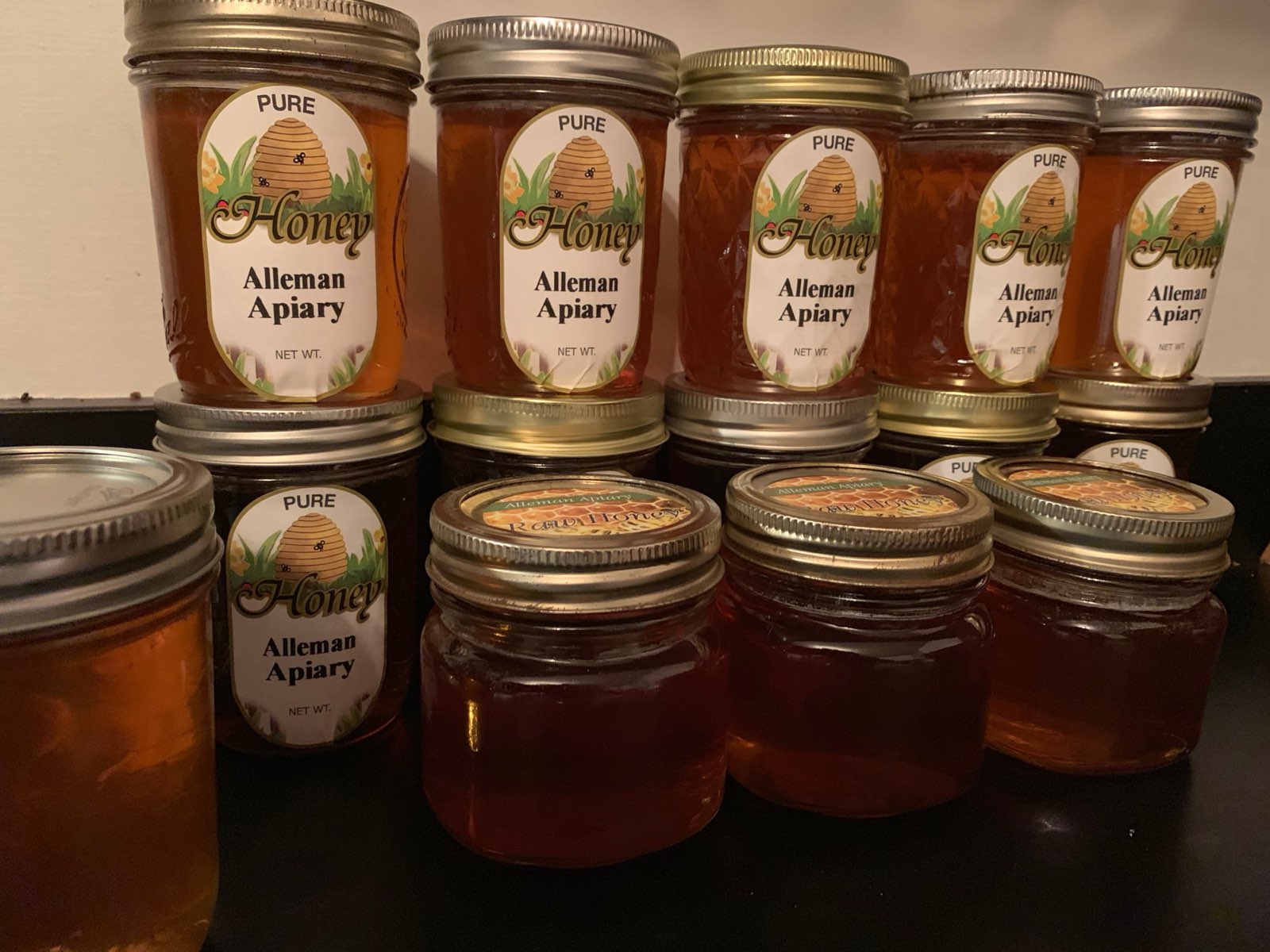
Wildflower honey — sometimes called "wild" or just left unnamed — is honey from whatever was blooming, all blended by the bees. It's not a lesser honey; it's an honest one. It reflects a specific place and a specific stretch of the season, and no two harvests are exactly alike. Most true local honey, including a lot of ours, is wildflower honey.
Why our honey changes through the season
You don't need different hives to get different honey — you just need different months. In Central PA we typically pull two distinct crops from the same bees:
- Spring/summer honey — light in color and mild in flavor, built from the big early nectar flows (things like black locust, clover, and assorted tree and wildflower blooms).
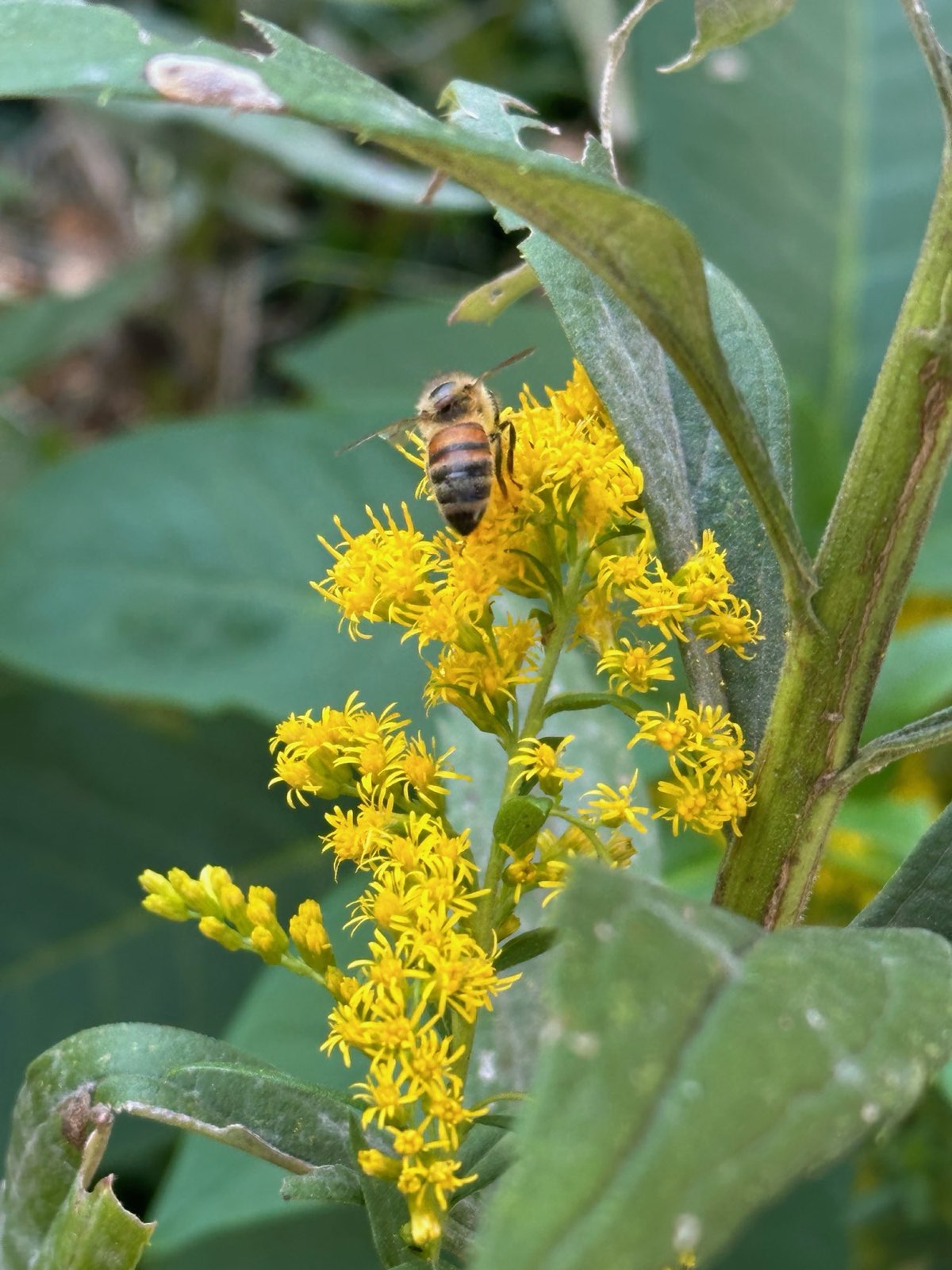
- Fall honey — darker and bolder, driven heavily by goldenrod and late asters. Richer, with more of the antioxidant compounds that darker honey tends to carry.
Same yard, same bees, two very different jars. If you want the full timeline of when each comes off the hive, see when is honey harvest season in Central PA.
Reading color and texture
A quick field guide to what you're looking at:
- Color runs from nearly water-white to deep brown. As a rough rule, lighter honey is milder and darker honey is stronger and richer in antioxidants.
- Crystallization varies by flower. Some nectars (like clover or goldenrod) granulate quickly; others (like tupelo) stay liquid for a long time. Crystallizing is normal and a good sign — see why raw honey crystallizes.
- Cloudiness usually means raw and unfiltered. Perfectly clear honey has often been heated and fine-filtered — raw vs. pasteurized.
Tasting honey like you'd taste anything else
If you want to actually notice the differences: taste at room temperature, start with a small amount on the tip of your tongue, and let it warm and spread before you swallow. Go from lightest to darkest so a bold honey doesn't flatten a delicate one. Between tastes, a sip of water or a bite of plain bread resets your palate. Once you've done it a few times, supermarket honey starts to taste like exactly what it is.
Taste the difference yourself
Our spring and fall honey are two different animals — both at the stand, 3502 High St., Harrisburg.
Visit our honey page