Cooking & baking with honey
Honey is a great sweetener to cook with — it browns beautifully, keeps baked goods moist, and adds a flavor sugar can't. But swapping it in for sugar isn't one-for-one, and heat changes which honey you should reach for. Here's the practical version.
First: don't cook with your best raw honey
The enzymes, delicate aromatics, and floral character you pay for in raw honey are heat-sensitive — the oven wipes them out past about 140°F regardless of what you do. So for baking and cooking, use a milder or cheaper honey and save the good raw jar for the uses where you actually taste it: drizzled, spread, or straight. It's not snobbery, it's just not throwing money in the oven. (Why heat matters: raw vs. pasteurized honey and how to store raw honey.)
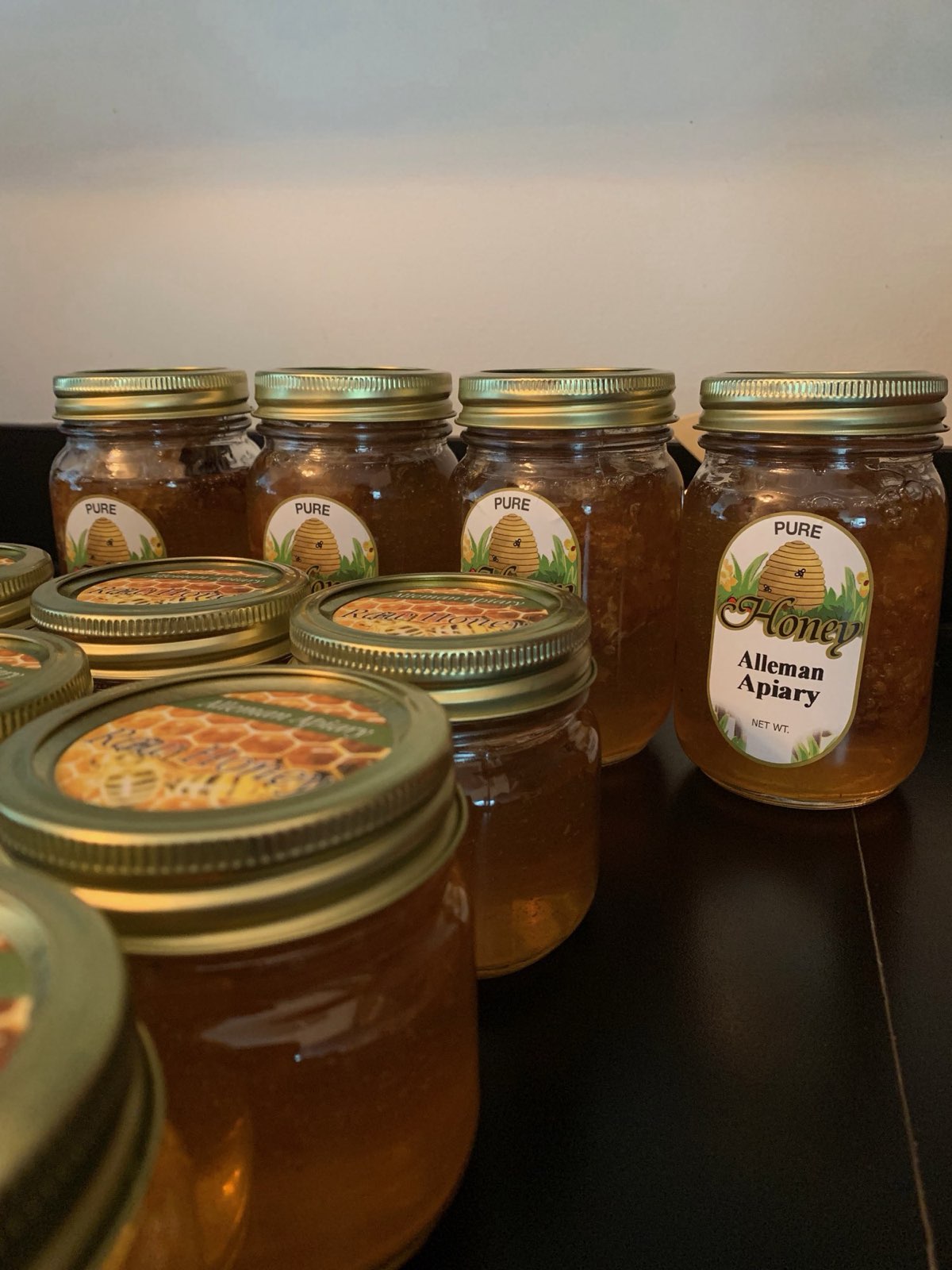
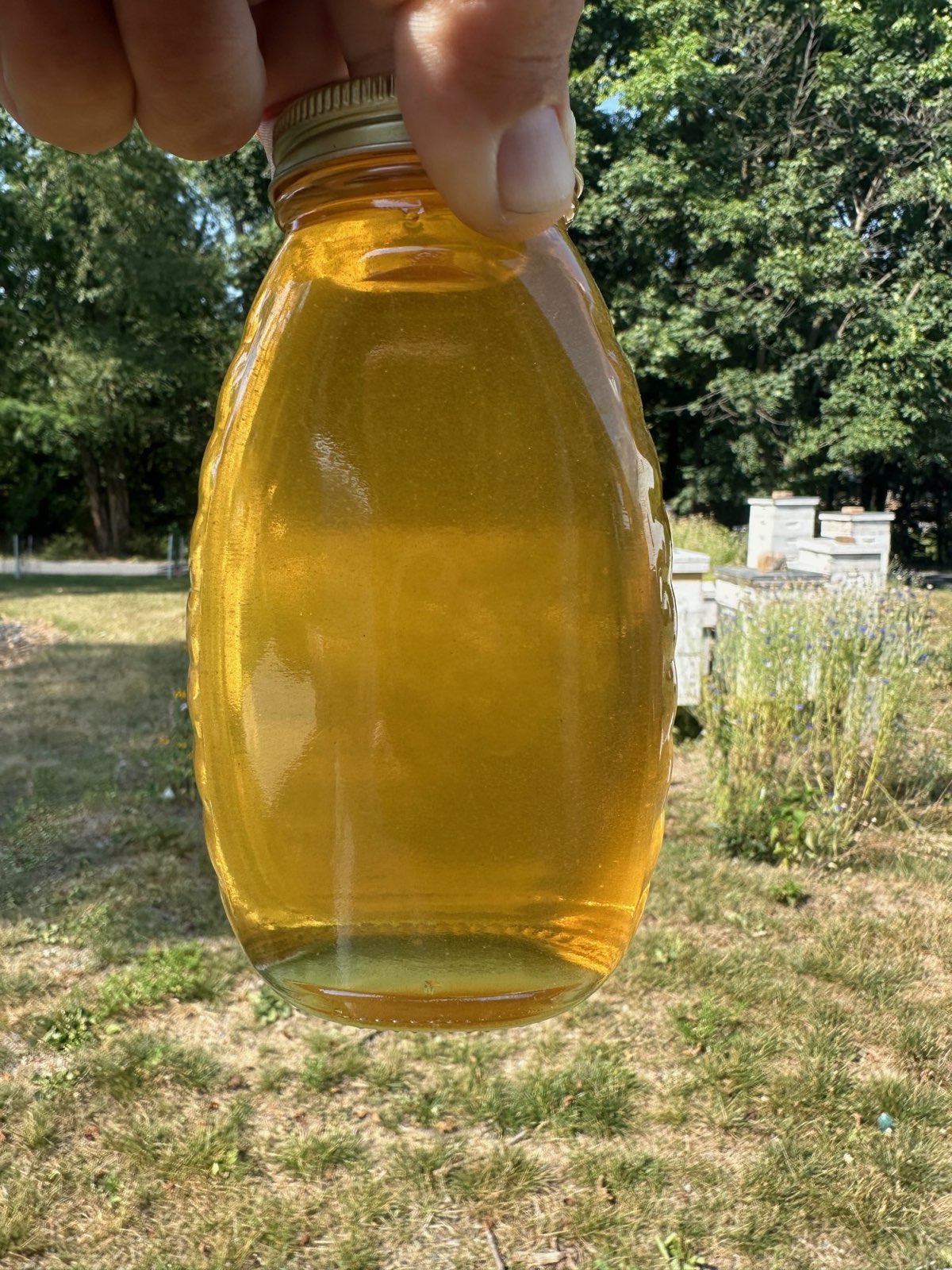
Substituting honey for sugar in baking
Honey is sweeter than sugar, and it's a liquid, so three adjustments make the swap work:
- Use less honey than sugar. Start with about ¾ cup of honey for every 1 cup of sugar — honey is sweeter, so you need less.
- Cut back other liquids. For each cup of honey you use, reduce the other liquids in the recipe by about 3–4 tablespoons, since honey brings its own water.
- Add a pinch of baking soda. About ¼ teaspoon per cup of honey helps balance honey's natural acidity (skip this if the recipe already has a lot of baking soda).
- Lower the oven ~25°F and watch it. Honey browns faster than sugar, so things can over-color before they're done. Drop the temperature about 25 degrees and check early.
A good rule of thumb for a single cup of sugar: ¾ cup honey, minus 3–4 Tbsp other liquid, plus ¼ tsp baking soda, oven down 25°F.
Where honey shines
- Anything that should stay moist — honey attracts and holds water, so honey cakes, muffins, and quick breads stay tender and keep longer than the sugar version.
- Anything you want deeply browned — glazes on carrots, salmon, or ham; honey-brushed rolls; roasted vegetables. Honey's sugars caramelize fast and dark.
- Marinades and dressings — a spoonful balances acid and salt and helps things char on the grill.
- Sweetening by the spoonful — oatmeal, plain yogurt, coffee or tea once it's cooled to sipping temperature. In cold or barely-warm foods, this is the one place you can use raw honey and keep its benefits.
A few things to know
- Measure it easier. Coat the measuring cup or spoon with a little oil first (or measure oil before honey) and the honey slides right out instead of clinging.
- Crystallized honey is fine to bake with. It'll melt into the batter. If you want it liquid, warm the jar in a bowl of warm — not boiling — water.
- Honey can make cookies softer and chewier and can spread more, since it holds moisture. Great for soft cookies, less so if you want crisp snaps.
- The flavor carries through. A darker honey (like our fall goldenrod) leaves more honey flavor behind than a light one — useful when you want it to taste of honey. See types of honey by flower.
The one rule that doesn't bend
No honey — not in baking, not cooked, not in any form — for babies under 12 months old. Cooking does not make it safe for infants. Over a year old, it's fine. (More: the health benefits of raw local honey.)